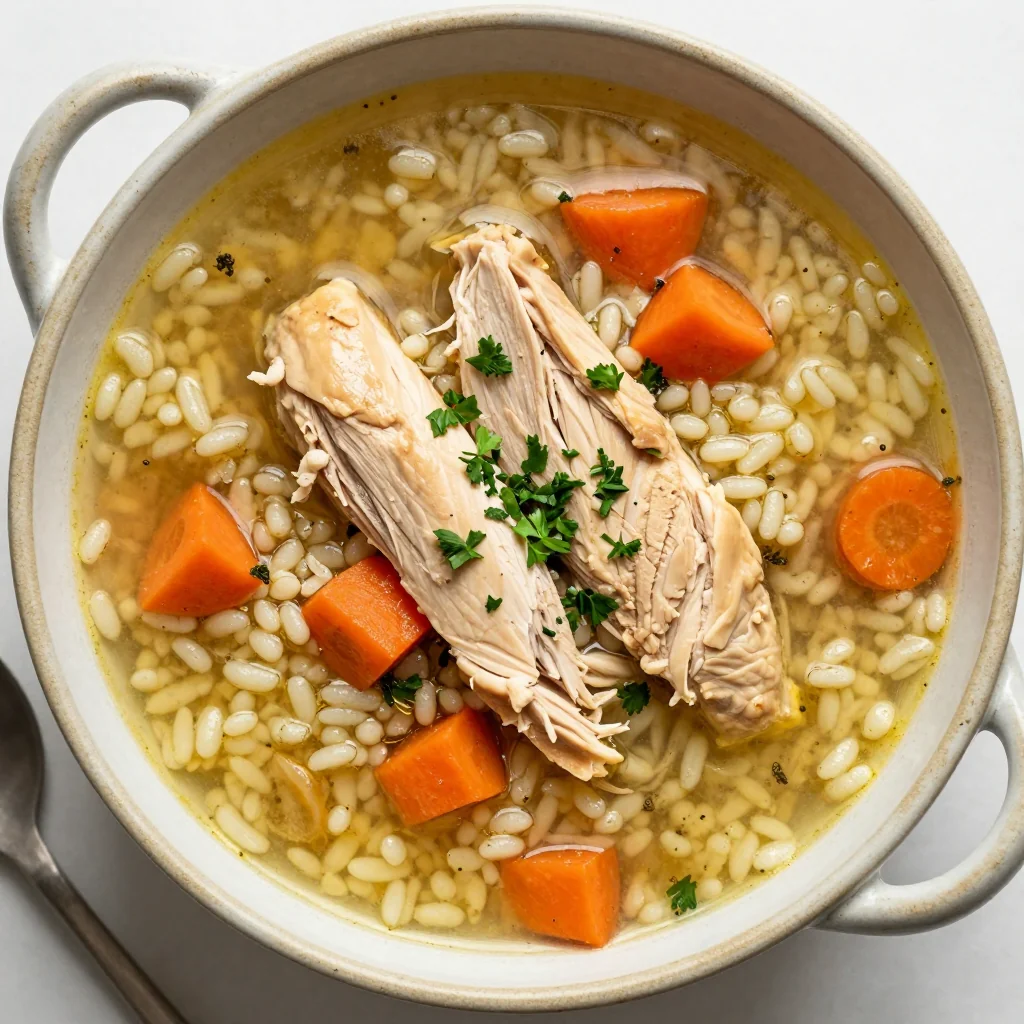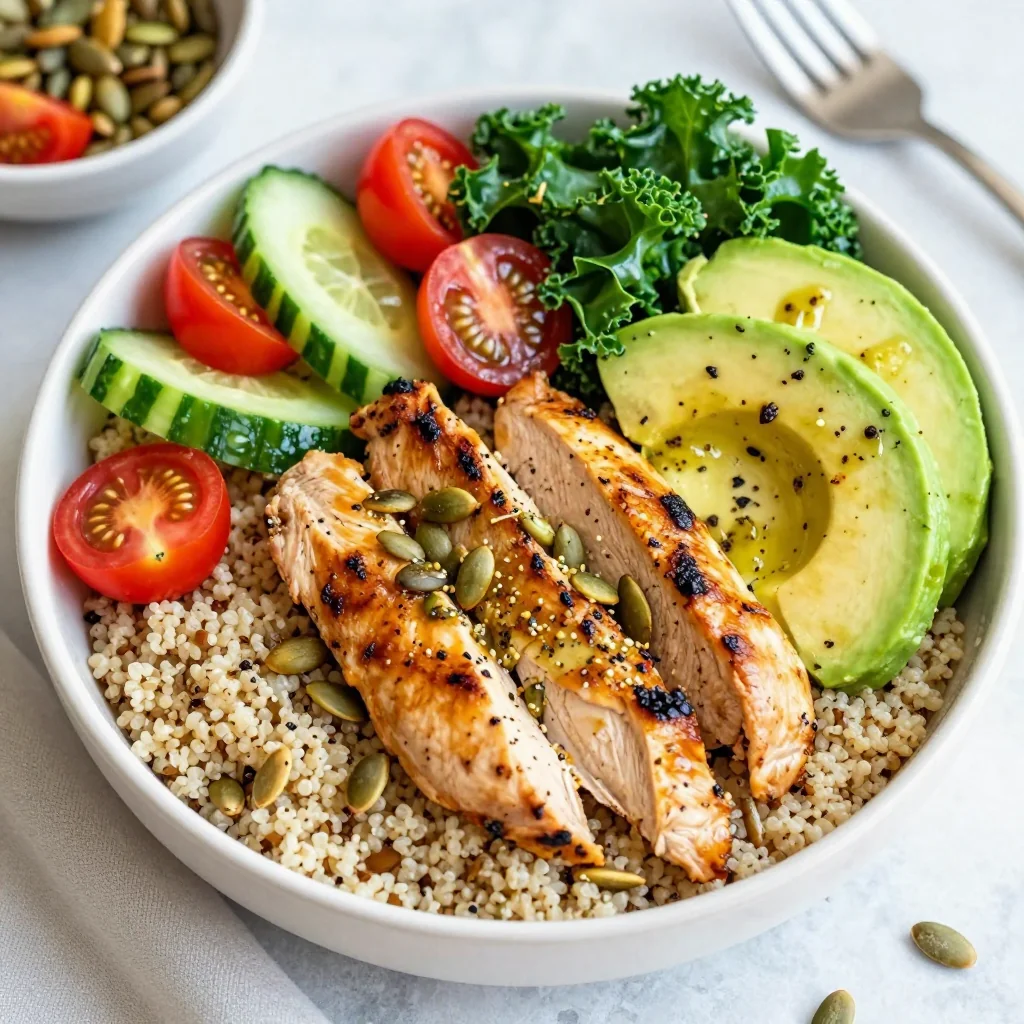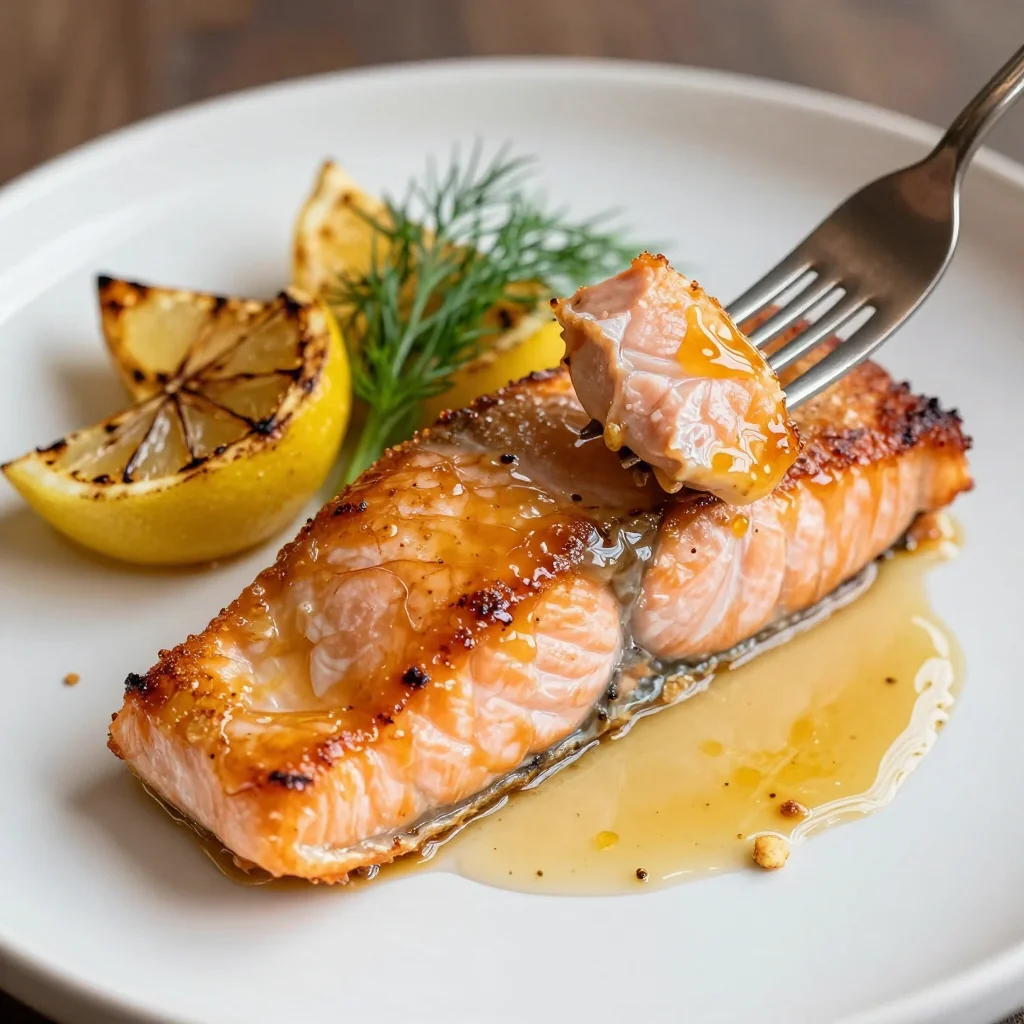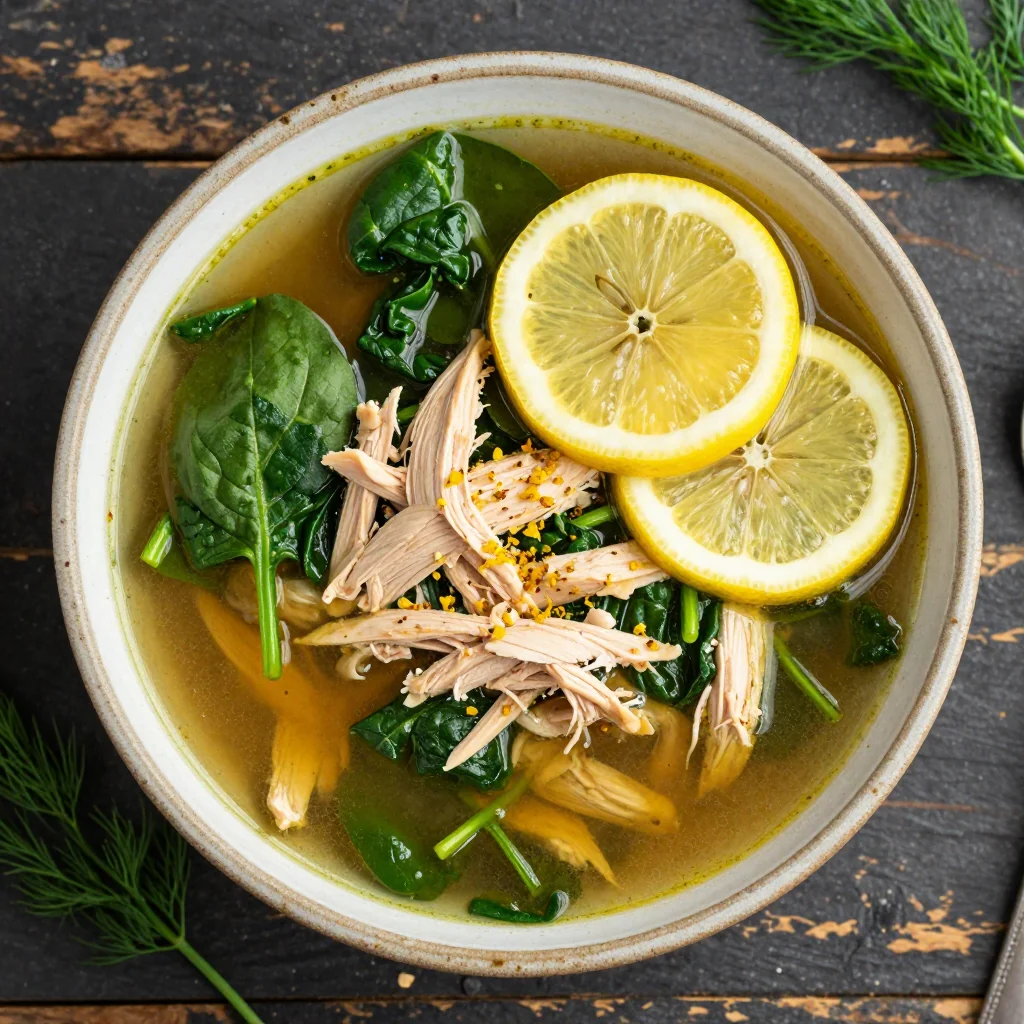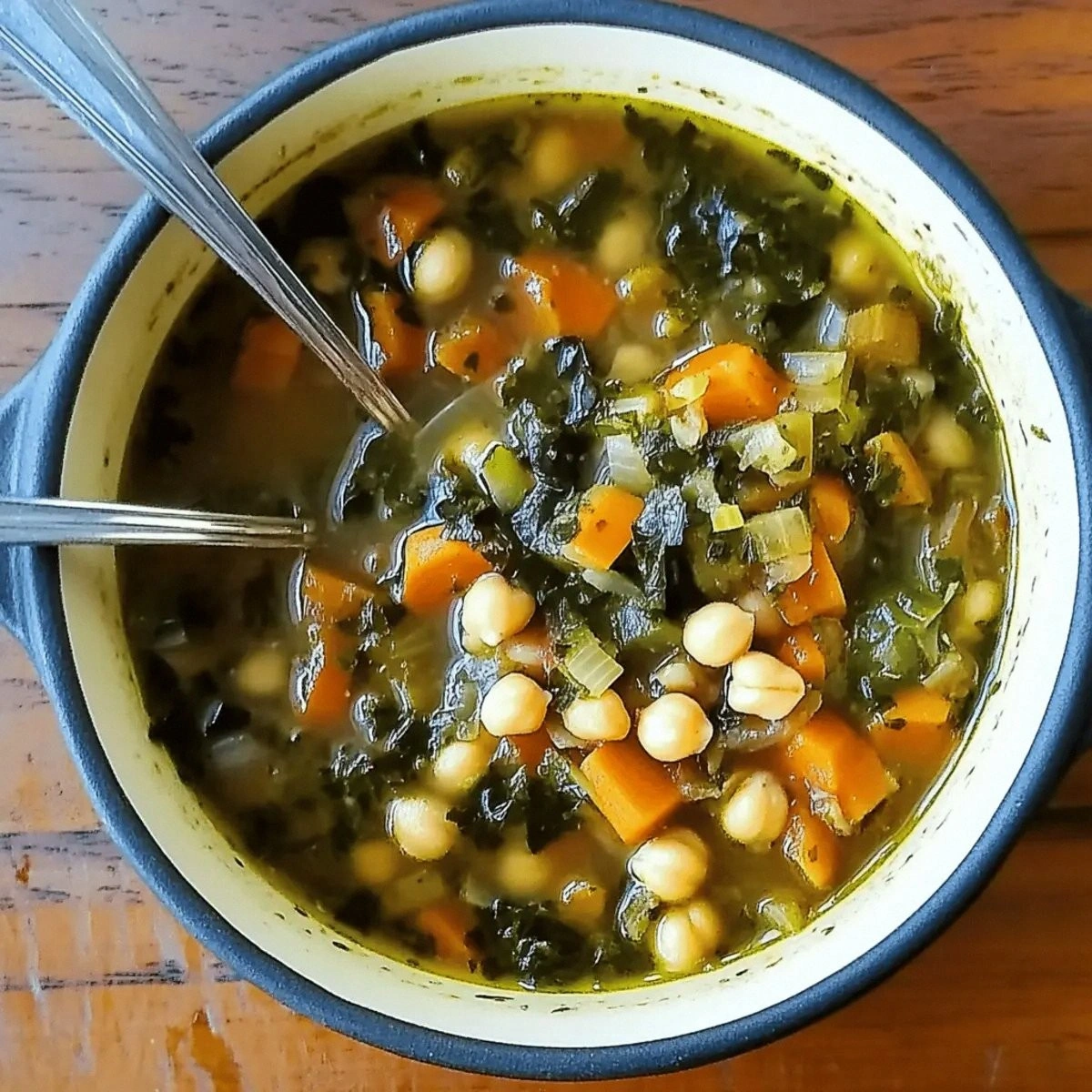
I burned my tongue on a scalding hot bowl of canned minestrone last winter and swore off sad soups forever. There I was, standing in my kitchen at midnight, desperately fishing out mushy carrots with a plastic spoon while my cat judged me from the counter. That moment of culinary shame sent me down a rabbit hole researching Blue Zone recipes — those magical dishes from places where people live to be 100 without losing their minds or their waistlines. After three failed attempts that tasted like lawn clippings floating in dishwater, I finally cracked the code on the Sardinian herb soup that nonnas have been perfecting for centuries. The first time I ladled this emerald-green masterpiece into bowls, my roommate walked in, took one whiff, and asked if I'd hired a secret Italian grandmother while she was at work.
This isn't just another vegetable soup pretending to be healthy while tasting like punishment. We're talking about a bowl that makes your heart literally happier — scientists have studied the Sardinian diet and found that this particular combination of herbs and vegetables can reduce inflammation better than most expensive supplements. The magic happens when fresh parsley, basil, and mint dance together with creamy chickpeas and sweet tomatoes, creating a flavor symphony that makes you wonder why you ever settled for watery soup from a can. I dare you to taste this and not go back for seconds — I've seen grown men fight over the last spoonful like it was the final slice of pizza at 2 AM.
Picture yourself pulling this out of the oven, the whole kitchen smelling like an Italian grandmother's garden after spring rain. The aroma hits you first — earthy herbs mingling with garlic that smells so good it should probably be illegal in some states. Then you see the colors: deep ruby tomatoes, bright green herbs, golden olive oil swirling on top like liquid sunshine. Stay with me here — this is worth it because I'm about to show you the technique that transforms humble vegetables into something that tastes like it came from a Michelin-starred trattoria hidden in the Sardinian mountains.
Let me walk you through every single step — by the end, you'll wonder how you ever made it any other way. We're starting with a flavor base that'll make your neighbors knock on your door asking what you're cooking, building layers of taste that develop like a good story, and finishing with a brightness that makes your taste buds sing opera. This recipe changed my relationship with healthy eating completely, and I promise it'll do the same for you.
What Makes This Version Stand Out
Herb-Forward: While most vegetable soups treat herbs like a garnish, this recipe makes them the star of the show. Three different fresh herbs create a complexity that dried herbs could never achieve — it's like the difference between a live orchestra and a keyboard demo. The parsley adds earthiness, basil brings sweetness, and mint provides that surprising cooling note that makes people ask "what's in this?" after their first spoonful.
Heart-Healthy Luxury: Every ingredient in this soup has been linked to cardiovascular benefits in scientific studies, but you'd never know it from the taste. The olive oil provides healthy fats that help your body absorb all the fat-soluble vitamins, while chickpeas deliver plant-based protein that keeps you full without the food coma. I serve this to my meat-loving friends and watch them get shocked when I tell them it's completely vegan.
One-Pot Wonder: Despite tasting like it simmered all day, this entire masterpiece comes together in under 45 minutes with just one pot to clean. Most recipes get this completely wrong — they have you sautéing vegetables separately, then transferring to a slow cooker, then blending half in a food processor. Here's what actually works: everything builds in the same pot, developing layers of flavor that taste like you spent hours when you really spent minutes.
Next-Day Magic: This soup tastes even better the next day when the herbs have had time to meld and the chickpeas have absorbed all the flavors. I make a double batch every time because I know I'll be eating it for lunch all week, and it never gets old. The flavors deepen and become more complex, like a good wine that improves with age.
Pantry-Friendly: Every ingredient in this recipe is available at a regular grocery store, but the result tastes like something from an Italian specialty shop. No hunting for obscure items or spending a fortune on ingredients you'll use once and forget about. These are staples that, once you have them, you'll use again and again.
Crowd-Pleasing Genius: I've served this to toddlers who claim to hate vegetables, teenagers who only eat pizza, and grandparents who swear they don't like "foreign food." They all clean their bowls and ask for the recipe. The secret is that familiar vegetables prepared in an unfamiliar way — the comfort of chicken noodle soup with the excitement of discovering something new.
Season-Defying: This soup works equally well on a scorching summer day or a freezing winter night. In summer, serve it slightly warm with extra fresh herbs on top. In winter, serve it piping hot with crusty bread for dipping. It's like the little black dress of soups — appropriate for any occasion.
Inside the Ingredient List
The Flavor Base
The olive oil isn't just for cooking — it's the foundation that carries all the other flavors. Use the good stuff here, the kind that tastes peppery and green when you dip bread in it. I learned this the hard way when I used a cheap, neutral oil once and the whole soup tasted flat and lifeless, like it was missing its soul. The onions need to be diced small so they melt into the soup, creating a natural sweetness that balances the herbs' brightness. When they hit the hot oil, they'll start releasing sugars that caramelize and add depth you can't get any other way.
Garlic is your best friend here, but timing is everything. Add it too early and it turns bitter; too late and it tastes raw and harsh. The sweet spot is when the onions are translucent but not browned — about 3 minutes in. Press it through a garlic press or mince it super fine so it distributes evenly. I'll be honest — I ate half the batch before anyone else got to try it because I kept "testing" the flavor base with bread.
The Texture Crew
Carrots and celery aren't just filler vegetables — they're the supporting actors that make the stars shine brighter. Dice them the same size as the onion so they cook evenly and create a harmonious texture throughout. The carrots add natural sweetness that plays beautifully against the herbs, while celery provides that savory backbone that makes you feel like you're eating something substantial. If you've ever struggled with mushy vegetables in soup, you're not alone — and I've got the fix: add them in the right order and don't overcook them.
Zucchini is the secret weapon here because it acts like a sponge, soaking up all the herb flavors while maintaining a slight bite. Cut it into half-moons about ¼-inch thick — thick enough to stay intact but thin enough to cook quickly. The bell pepper adds a pop of color and a subtle sweetness that rounds out the soup. I prefer red or yellow because green peppers can taste bitter in soup, but use what you have.
The Heart of the Matter
Chickpeas are what make this soup a complete meal rather than a side dish. They add protein, fiber, and that creamy texture that makes each spoonful satisfying. I use canned for convenience, but here's the game-changer: rinse them under cold water for 30 seconds to remove the starchy liquid that can make soup cloudy and slightly metallic-tasting. The vegetable broth needs to be good quality — this is not the place for watery, yellow broth that tastes like sadness. If your broth is bland, the whole soup will be bland.
Diced tomatoes provide acid and umami, creating a base that makes all the herbs pop. Use fire-roasted if you can find them — they add a subtle smoky depth that takes this from good to restaurant-quality. The juice in the can is liquid gold; don't drain it off. Okay, ready for the game-changer? Add a teaspoon of sugar to balance the tomatoes' acidity — it sounds weird but trust me, it works.
The Fresh Finale
This is where the magic happens. Fresh parsley isn't just for color — it has a bright, almost lemony flavor that dried parsley can't touch. Use flat-leaf (Italian) parsley, not the curly kind that tastes like cardboard. Fresh basil should smell like summer and feel slightly fuzzy — if it doesn't smell strongly, it's too old and will taste like nothing. The mint is what makes people say "I can't quite place that flavor" in the best way possible. Use spearmint, not peppermint — we're making soup, not toothpaste.
Dried oregano is the bridge between the fresh herbs and the cooked vegetables. It blooms in the hot oil, releasing essential oils that infuse the entire soup. Don't skip the lemon juice at the end — it's like turning on a light in a dark room, brightening all the flavors and making them sing in harmony. The Parmesan cheese is optional but highly recommended — just a tablespoon grated over each bowl adds umami that makes you want to lick the bowl clean.
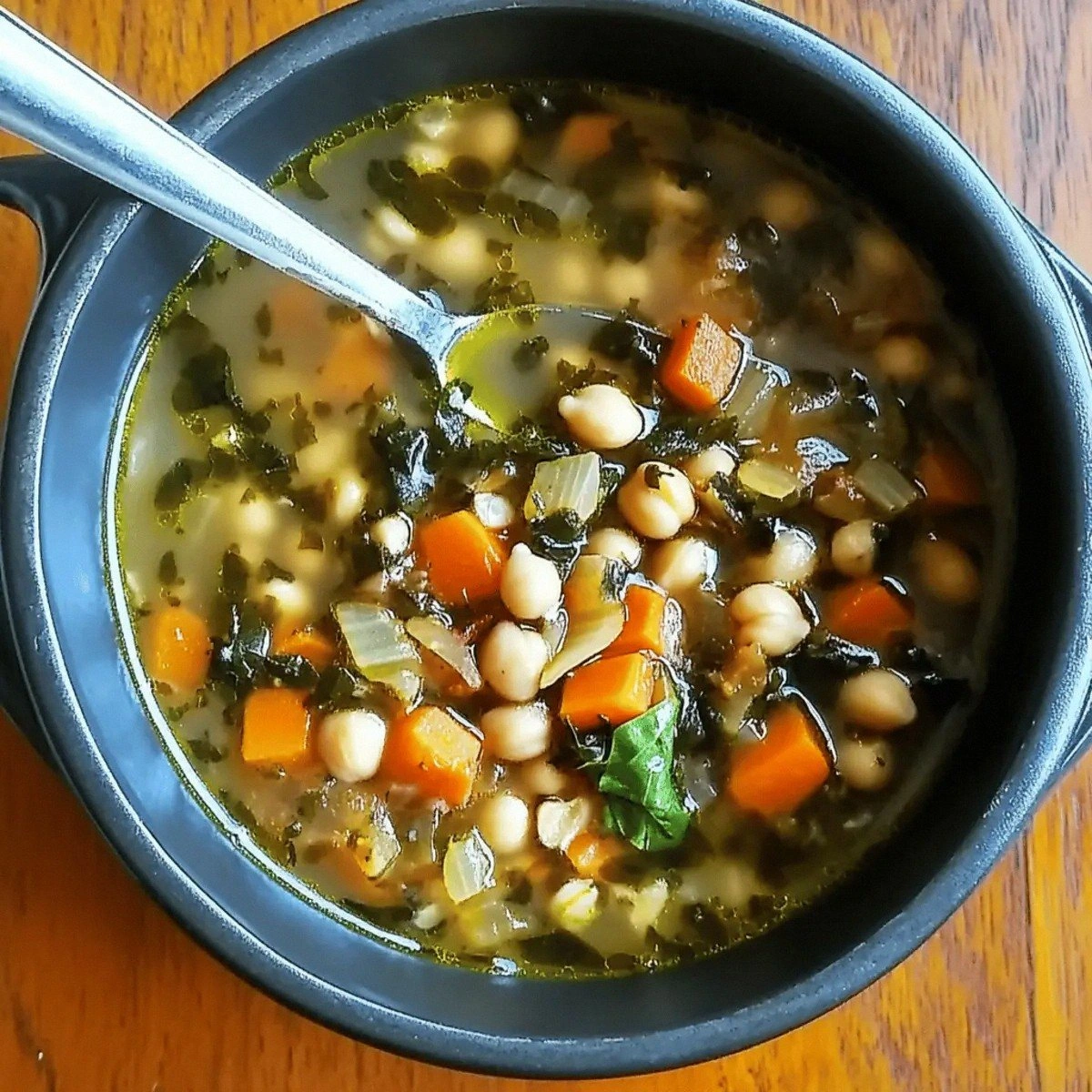
The Method — Step by Step
- Start with your biggest, heaviest pot — I use my Dutch oven because it distributes heat evenly and keeps the temperature steady. Pour in the olive oil and set it over medium heat. The oil should shimmer but not smoke — if it starts smoking, you've gone too hot and your garlic will burn. While it's heating, dice your onion. Listen for the oil to start making tiny crackling sounds — that's your cue that it's ready for the aromatics.
- Add the onions and stir to coat them in oil. This next part? Pure magic. You want to cook them until they're translucent and starting to turn golden at the edges — about 5-7 minutes. Don't rush this step. This is where the flavor foundation gets built. Stir occasionally, but not constantly — you want them to develop some color. When they start smelling sweet and looking like they're melting, you're there.
- Clear a little space in the center of the pot and add your minced garlic. Let it sit for 15 seconds before stirring — this prevents it from burning. The moment that garlic hits the hot oil, your kitchen will start smelling like an Italian restaurant. Stir everything together and cook for another 30 seconds. The garlic should smell fragrant but not browned — if it turns brown, it's bitter and you'll need to start over.
- Add the carrots and celery with a generous pinch of salt. The salt helps draw out moisture and concentrates the flavors. Cook for about 5 minutes, stirring occasionally, until they start to soften. You want them to keep their shape but lose that raw, crunchy edge. The bottom of the pot might develop some brown bits — don't panic, that's flavor gold. Those bits will dissolve into the broth and make everything taste deeper and more complex.
- Now add the zucchini and bell pepper. These cook faster than the root vegetables, so they go in later. Stir everything together and let it cook for another 3-4 minutes. The vegetables should start looking glossy and slightly softened but still bright and colorful. This is the moment of truth — if your vegetables look vibrant and smell amazing, you're on the right track. If they look sad and gray, your heat is too low.
- Time to build the soup base. Add the dried oregano and stir for 30 seconds. This toasts the herb and releases its essential oils. Pour in the diced tomatoes with all their juice. Use your spoon to break them up slightly — you want chunks, not a smooth puree. Let this cook for 2 minutes until it starts to thicken and look like a chunky sauce. The tomatoes should smell slightly caramelized and sweet.
- Add the chickpeas and vegetable broth. Give everything a good stir, scraping up any bits stuck to the bottom — that's concentrated flavor you don't want to lose. Bring it to a boil, then reduce to a gentle simmer. Cover partially and let it simmer for 15 minutes. This is when all the flavors meld together. Resist the urge to stir constantly — you want the vegetables to maintain their shape. The soup should bubble gently, not violently.
- Now for the grand finale. Stir in all the fresh herbs and lemon juice. The herbs will brighten immediately, turning the soup a vibrant green. Season with salt and pepper — be generous with both. Taste and adjust. The soup should taste bright, herby, and complex. If it tastes flat, add more salt. If it tastes heavy, add more lemon juice. If it tastes boring, add more herbs. This is your moment to make it perfect.
- Turn off the heat and let it sit for 5 minutes. This brief rest allows the herbs to infuse their flavors throughout the soup. Ladle into bowls and top with Parmesan if using. The cheese should melt slightly from the heat, creating little pockets of umami throughout. Serve hot with crusty bread for dipping, and watch as everyone falls silent, too busy eating to talk.
That's it — you did it. But hold on, I've got a few more tricks that'll take this to another level...
Insider Tricks for Flawless Results
The Temperature Rule Nobody Follows
Most people cook their soup either too hot or too cold, and both mistakes lead to disappointment. Too hot and your vegetables turn to mush, your herbs lose their color, and the broth becomes cloudy. Too cold and the flavors never develop properly, leaving you with a watery, bland soup that tastes like health food punishment. The sweet spot is a gentle simmer — you should see small bubbles breaking the surface every few seconds, not a rolling boil. This temperature allows vegetables to cook evenly while maintaining their shape, and it gives herbs time to infuse without turning bitter. A friend tried skipping this step once — let's just say it didn't end well. She served what looked like green vegetable water to dinner guests who politely pushed it around their bowls.
Why Your Nose Knows Best
Your sense of smell is more reliable than any timer when making this soup. When the garlic is ready, you'll smell it before you see it — that moment when raw garlic transforms into something fragrant and inviting. The same goes for herbs: when fresh basil hits hot liquid, it releases a sweet, almost licorice-like aroma that tells you it's working its magic. Don't walk away from the stove here — stand close and breathe in. That sizzle when it hits the pan? Absolute perfection. If you smell something bitter or sharp, you've gone too far and need to adjust immediately. Your nose will guide you better than any recipe ever could.
The 5-Minute Rest That Changes Everything
After you turn off the heat, walk away for exactly five minutes. Set a timer if you must. This isn't optional — it's the difference between good soup and soup that makes people close their eyes when they taste it. During these five minutes, the temperature equalizes throughout the pot, the herbs continue infusing their flavors, and the broth clears slightly as any remaining foam rises to the top. The vegetables absorb just enough liquid to become perfectly tender but not mushy. When you return, give it one gentle stir from bottom to top. This simple rest transforms your soup from a collection of ingredients into a unified, harmonious dish where every element supports the others.
The Salt Strategy That Works Every Time
Salt isn't just for making things salty — it's the amplifier that makes every other flavor louder and clearer. Add salt in layers: a pinch when sautéing the vegetables, another when adding the broth, and a final adjustment at the end. Taste after each addition. The soup should taste more like itself, not more like salt. If you add too much salt, throw in a diced potato and simmer for 10 minutes — the potato will absorb excess salt like a sponge. Then remove and discard the potato. This trick saved my dinner party last month when my well-meaning cousin "helped" by adding what she called "a little salt" that turned out to be half the container.
The Fresh Herb Timing Technique
Fresh herbs are not created equal when it comes to cooking time. Hardy herbs like rosemary and thyme can handle longer cooking, but our tender trio — parsley, basil, and mint — need to be treated like delicate flowers. Add them in the last 2 minutes of cooking, just long enough to wilt and release their essential oils but not so long that they turn brown and bitter. Chop them roughly, not finely — larger pieces stay brighter and more flavorful. And here's what actually works: save a few leaves of each herb to chop and sprinkle on top right before serving. The contrast between cooked and fresh herbs creates layers of flavor that make people ask for your secret.
Creative Twists and Variations
This recipe is a playground. Here are some of my favorite ways to switch things up:
Summer Garden Version
Swap out the canned tomatoes for 2 cups of fresh cherry tomatoes that you blister in the pot before adding the broth. Add a handful of fresh corn kernels and swap the zucchini for yellow squash. The fresh tomatoes burst and create a lighter, brighter soup that tastes like sunshine in a bowl. Finish with a drizzle of your best olive oil and some crusty grilled bread rubbed with garlic. This version is so good that I make it weekly during tomato season and freeze portions for winter when I need a reminder that summer exists.
Protein-Packed Power Bowl
Add a cup of red lentils with the chickpeas — they'll cook down and thicken the soup while adding protein that keeps you full for hours. Stir in a handful of baby spinach at the end for extra nutrients and color. Top with a soft-boiled egg that breaks and creates a creamy sauce when you stir it in. This is my go-to version after long runs when I need serious fuel but don't want anything heavy. My trainer swears by it and has started making it for her entire family.
Spicy Mediterranean
Add a diced jalapeño with the onions and a pinch of red pepper flakes when you add the tomatoes. Swap the mint for fresh oregano and add a cinnamon stick while it simmers — just remember to remove it before serving. Finish with a squeeze of orange juice instead of lemon and top with crumbled feta instead of Parmesan. This version transports you to a Greek taverna where the soup is served with thick, crusty bread and conversations last for hours.
Creamy Comfort Style
Blend half the soup with an immersion blender before adding the fresh herbs. This creates a creamy texture without any dairy, making it feel indulgent while staying healthy. Add a can of white beans along with the chickpeas for extra creaminess. Stir in a handful of small pasta like ditalini during the last 8 minutes of cooking. Kids love this version because it feels like they're eating something naughty when it's actually packed with vegetables.
Autumn Harvest Edition
Replace the zucchini with diced butternut squash and add a diced apple with the vegetables. The apple melts into the soup and adds natural sweetness that pairs beautifully with the herbs. Add a bay leaf while it simmers and remove before serving. This version tastes like autumn in New England and makes your house smell like you've been baking apple pie. I serve it on Halloween night to warm up trick-or-treaters and their parents.
Seafood Celebration
Add a pound of shrimp during the last 3 minutes of cooking — they'll turn pink and curl up when done. Swap the vegetable broth for fish stock if you have it, or add a piece of kombu (dried seaweed) while it simmers for ocean flavor. Finish with fresh dill instead of mint and serve with lemon wedges. This variation turns the soup into an elegant dinner party dish that impresses guests but takes no more effort than the original.
Storing and Bringing It Back to Life
Fridge Storage
This soup keeps beautifully in the refrigerator for up to 5 days — the flavors continue developing and melding together. Store it in airtight glass containers rather than plastic, which can absorb the herb flavors and stain. Let it cool completely before refrigerating, but don't leave it out for more than 2 hours. The vegetables will stay firmer if you cool it quickly by placing the pot in an ice bath and stirring occasionally. When reheating, add a splash of water or broth because the chickpeas will have absorbed some liquid.
Freezer Friendly
Freeze portions in individual containers for up to 3 months — perfect for those nights when you need comfort food but don't want to cook. Leave about an inch of space at the top of containers because liquid expands when frozen. The herbs will darken slightly but the flavor remains incredible. Thaw overnight in the refrigerator rather than at room temperature. Pro tip: freeze some in ice cube trays for quick single-serving portions that you can add to other soups or sauces for instant flavor.
Best Reheating Method
Gentle is the name of the game when reheating. Use medium-low heat and stir occasionally — high heat will turn your beautiful vegetables to mush and make the herbs bitter. Add a splash of water or broth and taste for seasoning after reheating. Sometimes the flavors concentrate during storage and need a touch more salt or lemon juice. If you've frozen the soup, add the fresh herbs after thawing and reheating for the brightest flavor. And now the fun part: top with fresh herbs and a drizzle of olive oil just before serving — it makes yesterday's soup taste like you just made it.