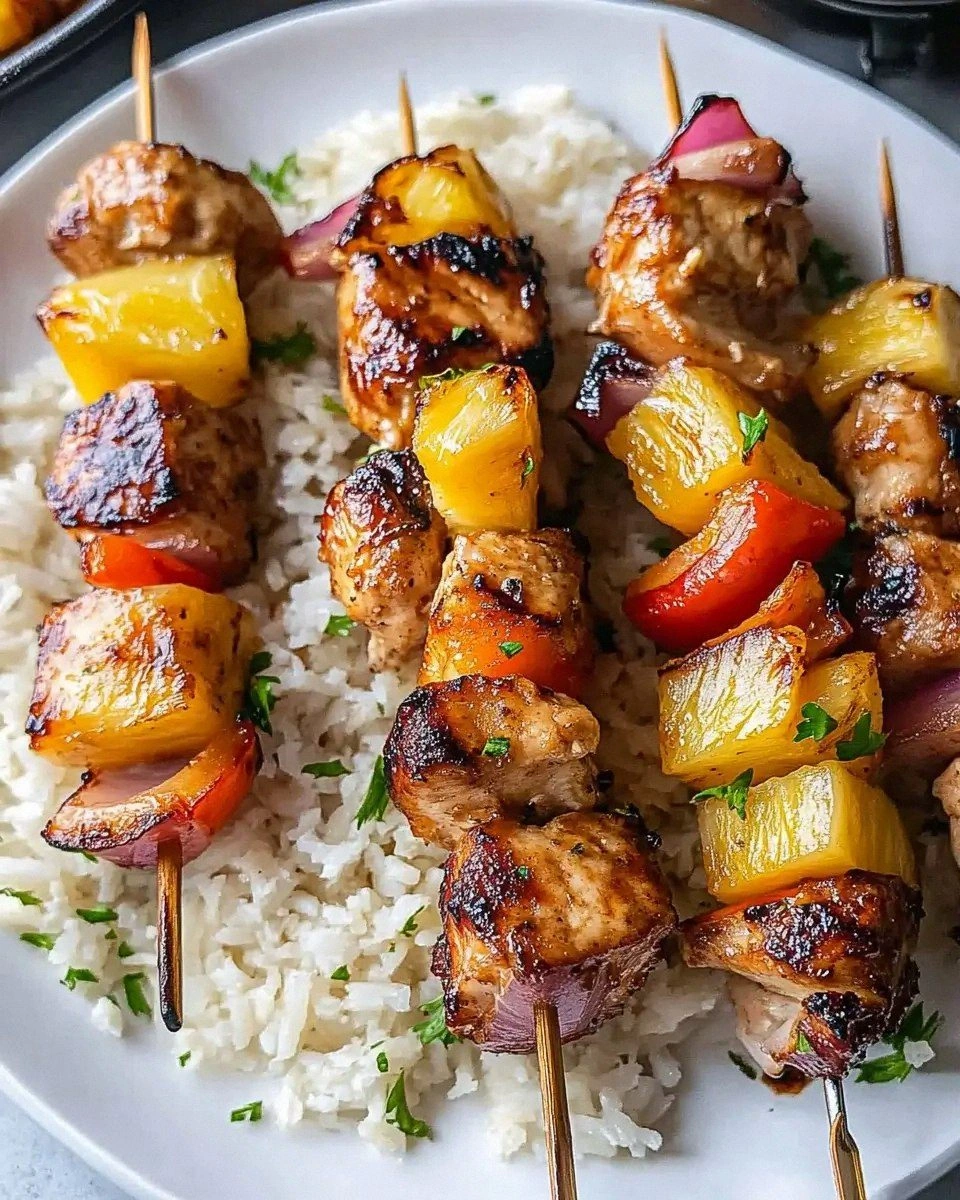
I was standing in my kitchen, staring at a half‑cooked chicken breast that had decided to turn into a rubbery slab, when my roommate shouted, “You’ve got to try pineapple on everything!” I laughed, tossed the chicken into a bowl, and thought, “What if I could turn this disaster into a party on a stick?” The idea sparked a mad dash to the pantry, a frantic search for a sweet‑tart fruit, and a promise to myself that I would not settle for bland, soggy kabobs again. The result? A glaze that clings to the chicken like a caramel‑kissed hug, pineapple chunks that burst with sunshine, and peppers that add a crisp snap louder than a high‑five at a summer concert.
Picture this: the grill humming, a faint whiff of smoky soy drifting through the air, the occasional pop of a charred pepper, and the unmistakable sizzle when the first skewer hits the heat. Your senses are doing a little dance—eyes tracking the golden‑brown glaze, ears catching the crackle, nose inhaling a tropical perfume, tongue already dreaming of that sweet‑spicy balance, and fingers feeling the heat radiating from the grill grate. It’s the kind of moment that makes you forget about the dishes in the sink and focus solely on the flavor fireworks about to explode on your plate.
Most pineapple‑chicken kabob recipes I’ve seen either drown the meat in a sugary sauce that turns into a sticky mess, or they under‑season the veggies, leaving you with bland bites that feel like an afterthought. This version, however, walks the tightrope between sweet, salty, and a whisper of heat with the precision of a seasoned DJ mixing tracks. I’m daring you to taste this and not go back for seconds—because the combination of honey‑kissed soy, a dash of ginger, and the natural acidity of pineapple creates a flavor profile that sings louder than a karaoke night.
I’ll be honest — I ate half the batch before anyone else got to try it, and that’s a confession I’m willing to make because the taste is that unforgettable. The secret weapon? A quick marinating trick that lets the chicken soak up the sauce in just 15 minutes, preserving its juicy interior while the exterior caramelizes to perfection. Okay, ready for the game‑changer? Let me walk you through every single step — by the end, you’ll wonder how you ever made it any other way.
What Makes This Version Stand Out
- Flavor Fusion: The soy‑honey‑ginger glaze hits every bite with a layered sweet‑salty profile that never overwhelms, letting the pineapple’s natural acidity shine.
- Texture Harmony: Charred edges on the chicken contrast with the crisp snap of bell peppers and the juicy burst of pineapple, creating a mouthfeel parade.
- Simplicity: Only twelve ingredients, a single bowl for marinating, and a grill or broiler—no fancy gadgets required.
- Unique Twist: A pinch of red pepper flakes adds a subtle heat that lifts the whole dish without stealing the spotlight.
- Crowd Reaction: Guests often claim they’ve never tasted anything like it, and the “what’s in the sauce?” question becomes the conversation starter.
- Ingredient Quality: Fresh pineapple and high‑quality boneless chicken breast make the difference between “good” and “legendary.”
- Cooking Method: Grilling gives a smoky depth, while a broiler can mimic the same effect indoors—flexibility for any kitchen.
- Make‑Ahead Potential: Marinate the night before, assemble the skewers, and you’re ready to fire them up in minutes.
Inside the Ingredient List
The Flavor Base
The soy sauce is the backbone of the glaze, delivering umami depth that anchors the sweetness of honey. If you swap it for tamari, you’ll get a gluten‑free version with a slightly richer taste. Skipping soy sauce altogether would leave the sauce tasting flat, like a song missing its bass line. For the best flavor, choose a low‑sodium soy to keep the salt level in check while still getting that deep, savory note.
The Sweet‑Heat Duo
Honey brings a mellow, floral sweetness that balances the saltiness of soy, while the red pepper flakes add a whisper of heat that dances on the tongue. If you’re not a fan of spice, halve the flakes; if you love fire, double them and watch the kabobs turn into a party trick. The ginger powder is the unsung hero—its warm, earthy zing cuts through the richness and keeps the palate from getting stuck in a sugary loop.
The Texture Crew
Fresh pineapple chunks provide a juicy burst that contrasts the firm chicken and the crisp bell peppers. Choose a pineapple that smells fragrant at the stem; an overripe one will turn mushy, while an under‑ripe one will be too firm and lack sweetness. Red onion adds a subtle bite and a pop of color, but if you’re sensitive to raw onion’s sharpness, give it a quick soak in cold water for five minutes.
The Final Flourish
Olive oil helps the glaze coat the chicken evenly and prevents sticking on the grill. Garlic cloves, minced finely, infuse the sauce with aromatic depth that makes the whole dish feel like a hug from a seasoned chef. And of course, the skewers—whether bamboo or metal—are the structural backbone that holds everything together. If you’re using bamboo, remember to soak them; metal skewers can be reused and give you a crispier sear.
Everything's prepped? Good. Let’s get into the real action…
The Method — Step by Step
First, whisk together the soy sauce, honey, olive oil, minced garlic, ground ginger, black pepper, and red pepper flakes in a large bowl. The mixture should look glossy and slightly thick—think of it as a silky river ready to bathe the chicken. Power transition: This is the moment of truth, because a well‑balanced glaze is the soul of the kabobs.
Cut the boneless chicken into bite‑size cubes, roughly 1½ inches each. Toss the chicken pieces into the bowl, ensuring every cube is fully submerged. Let it marinate for at least 15 minutes, but if you have the time, go for an hour; the flavors will seep deeper and the chicken will stay juicy.
Kitchen Hack: Use a zip‑top bag for marinating; it evenly coats each piece and saves you a bowl.While the chicken marinates, cut the red and green bell peppers into 1‑inch squares and slice the red onion into thick wedges. Drain the pineapple chunks, pat them dry with a paper towel, and set everything aside. This prep stage is crucial—uniform pieces ensure even cooking, preventing some pieces from turning to charcoal while others stay raw.
If you’re using bamboo skewers, soak them in water for at least 20 minutes now; this simple step keeps them from catching fire on the grill. Metal skewers don’t need soaking but will conduct heat, giving you those coveted grill marks faster.
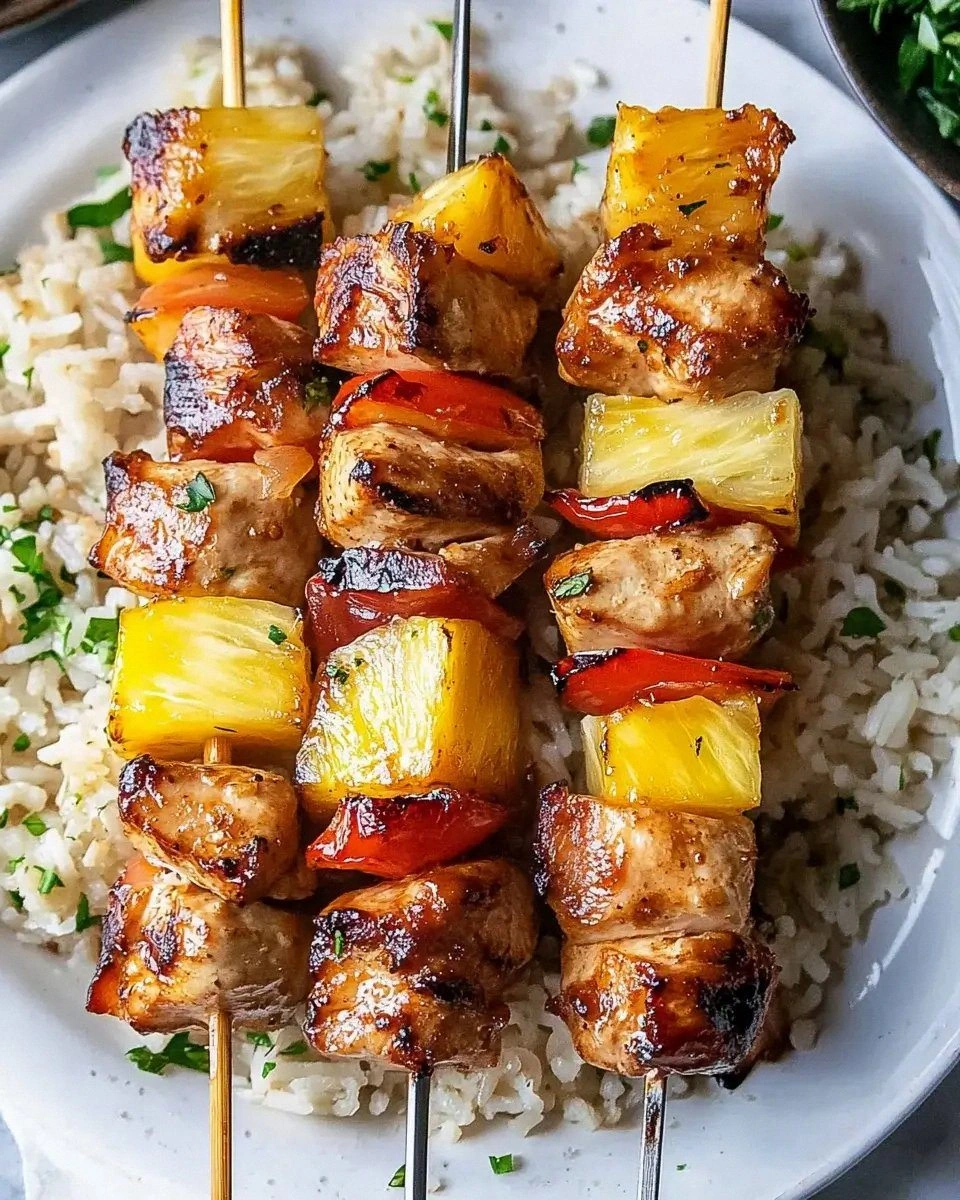
Watch Out: Over‑soaking wooden skewers can make them too soft; 20 minutes is the sweet spot.Thread the ingredients onto the skewers, alternating chicken, pineapple, bell pepper, and onion. Aim for a balanced pattern—chicken on one end, pineapple in the middle, veggies on the other. This arrangement ensures each bite has a bit of everything, and the pineapple’s juices will caramelize around the meat, creating that coveted glaze.
Preheat your grill or broiler to medium‑high heat, about 400°F (200°C). Lightly oil the grill grates with a paper towel dipped in oil to prevent sticking. When the grill is hot, place the skewers on the grate, leaving a little space between each for airflow.
Cook the kabobs for 10‑12 minutes, turning every 2‑3 minutes. You’ll hear a satisfying sizzle each time they hit the heat, and the glaze will start to caramelize, turning a deep amber. Sensory checkpoint: The edges of the chicken should pull away from the skewer slightly, and the pineapple should have a glossy, slightly charred surface.
During the last minute of cooking, brush any remaining glaze from the bowl onto the skewers for an extra layer of flavor. This final glaze adds a glossy finish that looks as good as it tastes.
Kitchen Hack: Keep a small heat‑proof bowl handy for the extra glaze; it prevents burning the sauce on the grill.Remove the kabobs from the grill and let them rest for 3‑4 minutes. This short rest lets the juices redistribute, ensuring every bite stays moist. Serve immediately with a side of rice, a fresh salad, or simply on their own—your choice, but I dare you to taste this and not crave a second round.
That's it — you did it. But hold on, I've got a few more tricks that'll take this to another level...
Insider Tricks for Flawless Results
The Temperature Rule Nobody Follows
Most home cooks start their grill on low heat, thinking it will “slow‑cook” the chicken. In reality, a hot grill sears the outside instantly, locking in juices and creating that caramelized crust. Aim for a steady 400°F; if your grill has a lid, close it for the first half of cooking to create an oven‑like environment, then finish uncovered for those beautiful grill marks.
Why Your Nose Knows Best
Your sense of smell is the secret alarm for doneness. When the glaze starts to emit a caramel aroma with a faint hint of toasted garlic, you’re within two minutes of perfect. If the smell turns bitter, you’ve crossed the line—pull the kabobs immediately. Trusting your nose beats any timer.
The 5‑Minute Rest That Changes Everything
After grilling, let the skewers rest on a warm plate, loosely covered with foil. This short pause lets the muscle fibers relax, preventing the meat from spitting out its juices when you bite. I once skipped this step and ended up with a dry bite—lesson learned, never skip the rest.
Marinate in the Right Ratio
Season the Veggies Separately
While the chicken marinates, toss the peppers and onion in a pinch of salt, pepper, and a drizzle of olive oil. This ensures they get their own flavor boost and don’t become a background player. The result is vegetables that are just as vibrant as the chicken.
Creative Twists and Variations
This recipe is a playground. Here are some of my favorite ways to switch things up:
Tropical Coconut Splash
Replace half the olive oil with coconut milk and add a tablespoon of toasted coconut flakes to the glaze. The subtle coconut aroma turns the dish into a beach‑side feast, perfect for summer barbecues.
Spicy Sriracha Kick
Swap the red pepper flakes for a teaspoon of Sriracha and add a dash of lime juice. The heat becomes more pronounced, and the lime adds a bright zing that cuts through the sweetness.
Herb‑Infused Version
Mix chopped fresh cilantro or Thai basil into the glaze just before serving. The herbaceous notes bring a fresh contrast that pairs beautifully with the caramelized pineapple.
Teriyaki‑Style Upgrade
Add a splash of mirin and a pinch of toasted sesame seeds to the sauce. The result is a richer, more umami‑forward glaze that feels like a classic Japanese street‑food treat.
Veggie‑Only Alternative
Skip the chicken and use extra firm tofu cubes, pressed and marinated the same way. The tofu absorbs the glaze beautifully, offering a vegetarian twist that still delivers that sweet‑savory punch.
Storing and Bringing It Back to Life
Fridge Storage
Place leftover kabobs in an airtight container and store them in the refrigerator for up to three days. Keep the glaze in a separate small jar to re‑brush before reheating, preserving the flavor intensity.
Freezer Friendly
Wrap each skewer individually in parchment paper, then seal them in a freezer‑safe zip‑top bag. They’ll stay fresh for up to two months. When you’re ready to eat, thaw overnight in the fridge and finish on the grill for that fresh‑off‑the‑grill taste.
Best Reheating Method
For the best texture, reheat the kabobs on a hot grill or under a broiler for 3‑4 minutes, turning once. Add a tiny splash of water or a drizzle of fresh glaze before reheating; the steam revives the juicy interior while the glaze re‑caramelizes on the surface.