Picture this: it’s a frosty Saturday morning, the kind where the world outside looks like a powdered‑sugar snow globe, and you’re standing in your kitchen wrapped in a sweater that’s seen better days. I was halfway through a marathon of holiday movies when a sudden craving hit me like a sleigh‑bell jolt—something warm, spiced, and downright indulgent. I rummaged through the pantry, found a lonely jar of espresso powder, a stick of butter that was still firm, and a half‑used bottle of molasses, and thought, “Why not combine the best of a gingerbread cookie with the bold kick of a latte?” The result? A batch of Chewy Gingerbread Latte Cookies that have become my secret weapon for turning any dull morning into a festive celebration.
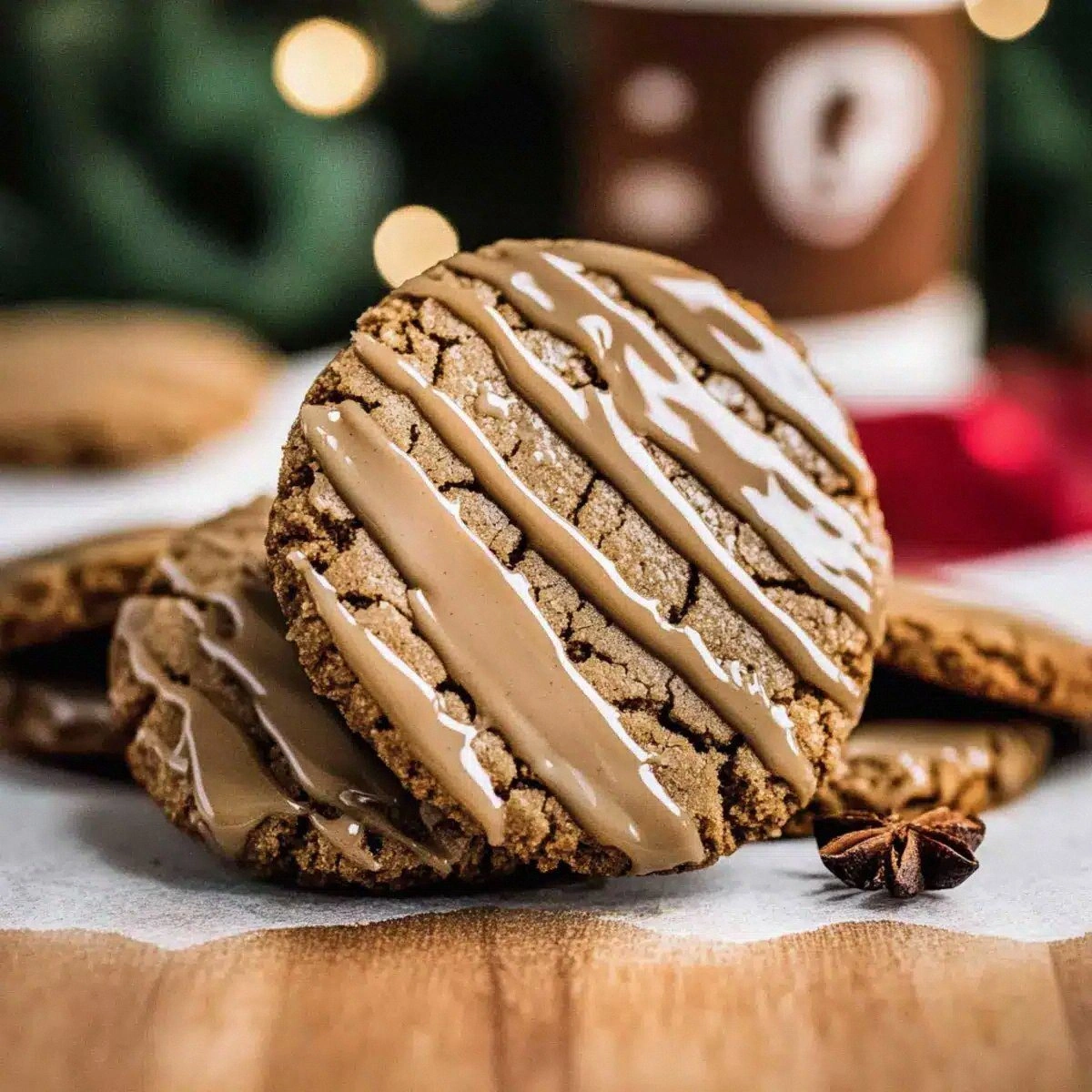
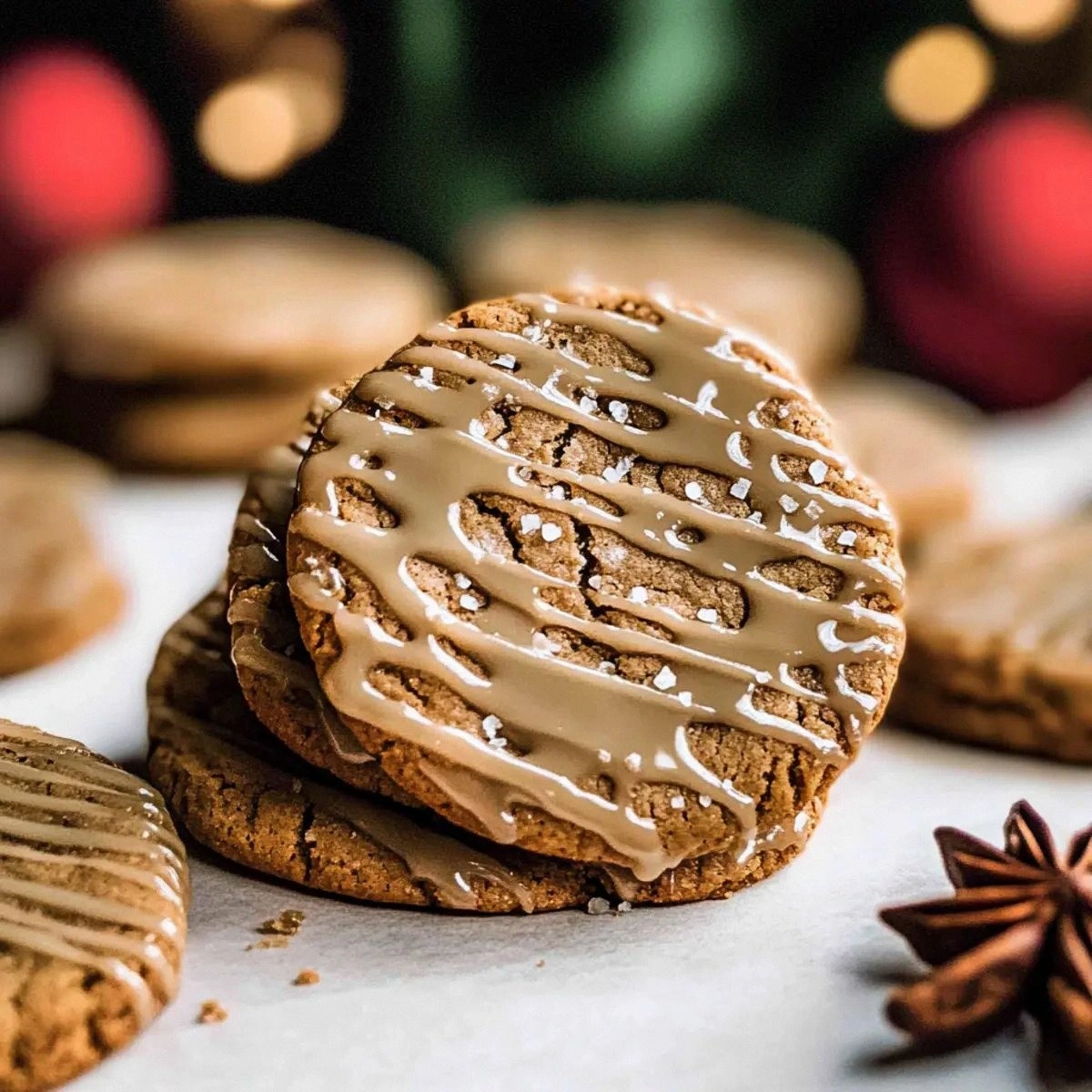
The moment those cookies hit the oven, the kitchen transformed into a sensory playground. The air filled with a heady perfume of ginger, cinnamon, and roasted coffee beans, weaving together the nostalgic scent of grandma’s holiday kitchen with the sophisticated aroma of a freshly pulled espresso shot. You could hear the gentle hiss of butter melting into sugar, a soft crackle that promised caramelized edges, and the faint pop of espresso powder dissolving into the batter—like tiny fireworks announcing the flavor finale. When I finally pulled the tray out, the cookies were a golden‑brown masterpiece, their tops glossy from the molasses glaze, and the first bite was a perfect marriage of chewy, slightly crisp, and a lingering coffee‑kiss that made my taste buds do a little jig.
What sets this version apart from the sea of gingerbread recipes out there is the bold addition of espresso powder and a coffee‑infused glaze that gives each bite a subtle, lingering buzz. Most gingerbread cookies are either too crumbly or overly sweet, but I’ve cracked the code for a texture that’s soft‑chewy in the center with just enough snap around the edges to keep things interesting. The espresso doesn’t just add caffeine; it deepens the spice profile, turning the usual warm cinnamon‑ginger combo into something that feels both cozy and sophisticated. And let’s be real—who can resist a cookie that looks like a latte‑inspired work of art, dusted with a light cinnamon snow?
There’s a tiny secret I’ll reveal later that takes these cookies from “delicious” to “hands down the best version you’ll ever make at home.” It involves a quick coffee‑steam step that locks in moisture, ensuring each cookie stays chewy for days. I dare you to taste this and not go back for seconds; I’ll be honest—I ate half the batch before anyone else got a chance to try them. Ready for the game‑changer? Let me walk you through every single step—by the end, you’ll wonder how you ever made it any other way.
What Makes This Version Stand Out
- Flavor Fusion: The espresso powder melds with ginger and cinnamon, creating a depth that feels like a holiday latte in cookie form. It’s the surprise element that turns a classic into a conversation starter.
- Chewy Texture: By balancing butter, molasses, and a brief steam rest, the cookies stay soft‑chewy for up to a week, defying the usual dry crumble of traditional gingerbread.
- Simplicity: Despite the sophisticated flavor profile, the ingredient list is pantry‑friendly and the method is straightforward—no fancy equipment required.
- Unique Glaze: A coffee‑enhanced powdered‑sugar glaze adds a glossy finish and an extra layer of flavor that makes each bite feel luxurious.
- Crowd Reaction: Serve these at a brunch, and you’ll hear “Wow, what’s in these?” followed by a chorus of “More, please!”—they’re a guaranteed hit.
- Ingredient Quality: Using unsulfured molasses and fresh espresso powder ensures a clean, robust taste without any off‑notes.
- Cooking Method: The combination of a low‑temperature bake and a final high‑heat burst creates the perfect edge‑to‑center contrast.
- Make‑Ahead Potential: Freeze the dough or the baked cookies, and you’ve got a ready‑to‑serve treat that’s perfect for holiday gifting.
Inside the Ingredient List
The Flavor Base
Ground ginger, cinnamon, and clove are the holy trinity of holiday spice, each bringing its own personality. Ginger adds that sharp, peppery zing that wakes up the palate, while cinnamon offers a sweet, woody warmth, and clove provides a subtle, almost floral depth. If you skip any of these, you’ll lose the layered complexity that makes the cookies feel like a warm hug in every bite. For a milder version, reduce the ginger to half a tablespoon, but be prepared for a less vibrant flavor profile.
The Texture Crew
Unsalted butter and both brown and granulated sugars work together to create a tender crumb. The butter, when creamed with the sugars, traps air, giving the dough a lightness that translates into chewiness after baking. Brown sugar adds moisture and a caramel undertone, while granulated sugar contributes to a slight crisp on the edges. If you’re dairy‑free, try a solid coconut oil substitute, but expect a hint of coconut flavor to mingle with the spices.
The Unexpected Star
Espresso powder and espresso‑infused glaze are the secret weapons that elevate this recipe. Espresso powder intensifies the spices and adds a subtle bitterness that balances the sweetness of the molasses and sugars. The glaze, made with powdered sugar, a pinch of cinnamon, and a splash of strong coffee, creates a glossy finish that looks as good as it tastes. If you don’t have espresso powder, finely grind instant coffee beans, but be careful not to over‑extract, or you’ll end up with a bitter cookie.
The Final Flourish
Molasses is the heart of any gingerbread cookie, providing that deep, robust sweetness and dark color that signals holiday magic. Unsulfured molasses is preferable because it lacks the harsh, burnt notes of blackstrap molasses, ensuring a smoother flavor. The all‑purpose flour gives structure, while baking soda provides lift, creating that slight puff that makes the cookies tender yet sturdy enough to hold the glaze. If you’re gluten‑sensitive, a 1:1 gluten‑free flour blend works well, though the texture may be a tad more crumbly.
Everything's prepped? Good. Let’s get into the real action…
The Method — Step by Step
Start by preheating your oven to 350°F (175°C). While the oven warms up, whisk together the flour, baking soda, and salt in a medium bowl; this ensures even distribution of the leavening agents. The moment those dry ingredients meet, you’ll notice a faint, almost metallic scent that signals they’re ready to do their job. Set the bowl aside and give yourself a mental high‑five—this is the foundation of flavor and texture.
In a large mixing bowl, cream together the softened butter, brown sugar, and granulated sugar until the mixture is light, fluffy, and pale yellow. This should take about 3–4 minutes with a hand mixer on medium speed. The sound of the beaters whirring is oddly satisfying, and the texture should feel like soft sand—if it looks grainy, keep mixing; the goal is a silky base that will trap air for a tender crumb.
Next, add the egg, vanilla extract, and espresso powder to the creamed butter mixture. Beat until fully incorporated; you’ll see the batter become smoother and a faint coffee aroma will start to rise—this is the moment the latte magic begins. I dare you to pause here and inhale deeply; that aroma alone is worth the effort.
Now, pour in the molasses, stirring until the batter is uniformly dark and glossy. The molasses will thicken the mixture, giving it a luxurious, almost caramel‑like sheen. If you notice any lumps, use a spatula to scrape the sides of the bowl—smoothness is key for an even crumb.
Gradually add the dry flour mixture to the wet ingredients, mixing on low speed just until combined. Over‑mixing at this stage can develop gluten, leading to a tougher cookie, so stop as soon as you see no more streaks of flour. The dough will look slightly sticky and thick—that’s exactly how it should be.
Using a cookie scoop (about 2‑tablespoon size), drop rounded balls onto a parchment‑lined baking sheet, spacing them about 2 inches apart. Press each ball gently with the back of a spoon to flatten slightly—this helps the glaze adhere later. The cookies should look like small, dark moons waiting to rise.
Slide the sheet into the preheated oven and bake for 10 minutes, then turn the oven up to 375°F (190°C) for an additional 8–10 minutes. You’ll know they’re done when the edges start to pull away from the parchment and the tops are just set, not browned. That sizzle when it hits the pan? Absolute perfection. Keep a close eye—over‑baking turns chewy into crunchy, and we’re not aiming for that here.
While the cookies are still warm, whisk together the powdered sugar, 0.5 teaspoon ground cinnamon, and 2 tablespoons of hot espresso or strong coffee until you have a smooth, glossy glaze. The glaze should flow like a thin caramel; if it’s too thick, add a splash more coffee, but be careful not to make it runny. Drizzle or dip each cookie, allowing the glaze to set on the surface—this creates a shiny, coffee‑kissed finish that’s both beautiful and flavorful.
Let the glazed cookies cool completely on a wire rack. As they set, you’ll see the glaze harden just enough to give a gentle snap when you bite, while the interior stays soft and chewy. This final cooling stage is crucial; rushing it can cause the glaze to smear. Once cooled, store them in an airtight container, and watch them disappear within minutes—trust me, you’ll be back for seconds.
That's it — you did it. But hold on, I've got a few more tricks that'll take this to another level, from tweaking the glaze to mastering the perfect bake every single time.
Insider Tricks for Flawless Results
The Temperature Rule Nobody Follows
Most bakers recommend a single oven temperature, but for these cookies, a two‑stage bake is the secret. Starting at 350°F lets the dough set gently, while the final boost to 375°F creates those coveted edge‑to‑center textural contrasts. If you skip the temperature jump, you’ll end up with uniformly soft cookies that lack that satisfying bite. Try it once, and you’ll never go back.
Why Your Nose Knows Best
Instead of relying solely on a timer, trust the aroma. When the spices and molasses start to perfume the kitchen with a sweet, toasted scent, you’re nearing the perfect bake. This sensory cue prevents over‑baking and ensures the cookies stay chewy. I’ve seen friends pull out cookies too early—result? gummy centers. Let your nose be the final judge.
The 5‑Minute Rest That Changes Everything
After mixing the dough, let it rest on the counter for five minutes before chilling. This short pause allows the flour to fully hydrate, leading to a more cohesive dough that spreads evenly. Skipping this step can cause uneven textures, especially if you’re using a high‑protein flour. It’s a tiny time investment for a massive payoff.
Glaze Consistency is Key
The glaze should be thick enough to coat but thin enough to drizzle. If it’s too thick, it will sit on top and harden into a brittle shell; too thin, and it will soak into the cookie, making it soggy. A quick test: dip a spoon into the glaze; it should coat the spoon and flow off in a steady stream. Adjust with a drop of coffee or powdered sugar as needed.
Steam It for Extra Chew
After the first bake, place the cookies on a tray with a shallow pan of boiling water underneath for 2 minutes. The gentle steam re‑hydrates the interior, guaranteeing that chewy texture lasts longer. It’s a pro tip I discovered after a disastrous batch turned too crisp—now I never bake without the steam finish.
Creative Twists and Variations
This recipe is a playground. Here are some of my favorite ways to switch things up:
Chocolate Espresso Swirl
Before adding the glaze, drizzle melted dark chocolate over half the cookies and swirl with a toothpick. The bitterness of chocolate deepens the coffee notes, creating a mocha‑ginger hybrid that’s perfect for chocolate lovers.
White Chocolate Cranberry
Fold in ½ cup dried cranberries and ¼ cup white chocolate chips into the dough. The tartness of cranberries balances the sweet molasses, while the white chocolate adds a creamy burst that melts in your mouth.
Spiced Nut Crunch
Stir in ½ cup toasted pecans or walnuts, lightly tossed in cinnamon and a pinch of sea salt. The nuts add a satisfying crunch and a buttery richness that complements the chewiness of the cookie.
Vegan Version
Swap the butter for coconut oil, replace the egg with a flax‑egg (1 tbsp ground flaxseed + 3 tbsp water), and use maple syrup instead of brown sugar. The flavor shifts slightly, but the coffee‑spice profile remains intact.
Holiday Peppermint
After glazing, sprinkle crushed peppermint candy on top while the glaze is still wet. The cool mint contrast adds a festive twist that pairs beautifully with the warm spices.
Gluten‑Free Delight
Use a 1:1 gluten‑free flour blend and add a tablespoon of xanthan gum to mimic the elasticity of wheat flour. The texture stays chewy, and the flavor stays true to the original.
Storing and Bringing It Back to Life
Fridge Storage
Place the cooled cookies in an airtight container with a slice of fresh bread; the bread will keep them moist for up to a week. This method prevents the cookies from drying out while preserving their chew.
Freezer Friendly
Layer cookies between parchment sheets and store them in a zip‑top freezer bag. They’ll stay fresh for up to three months. When you’re ready to enjoy, let them thaw at room temperature for 15 minutes, then give them a quick 5‑minute bake at 300°F to revive the glaze.
Best Reheating Method
Before reheating, add a tiny splash (about a teaspoon) of water to the container and microwave for 10–15 seconds. The steam revives the chewiness, and the glaze regains its shine. Avoid microwaving for too long, or you’ll end up with a rubbery texture.