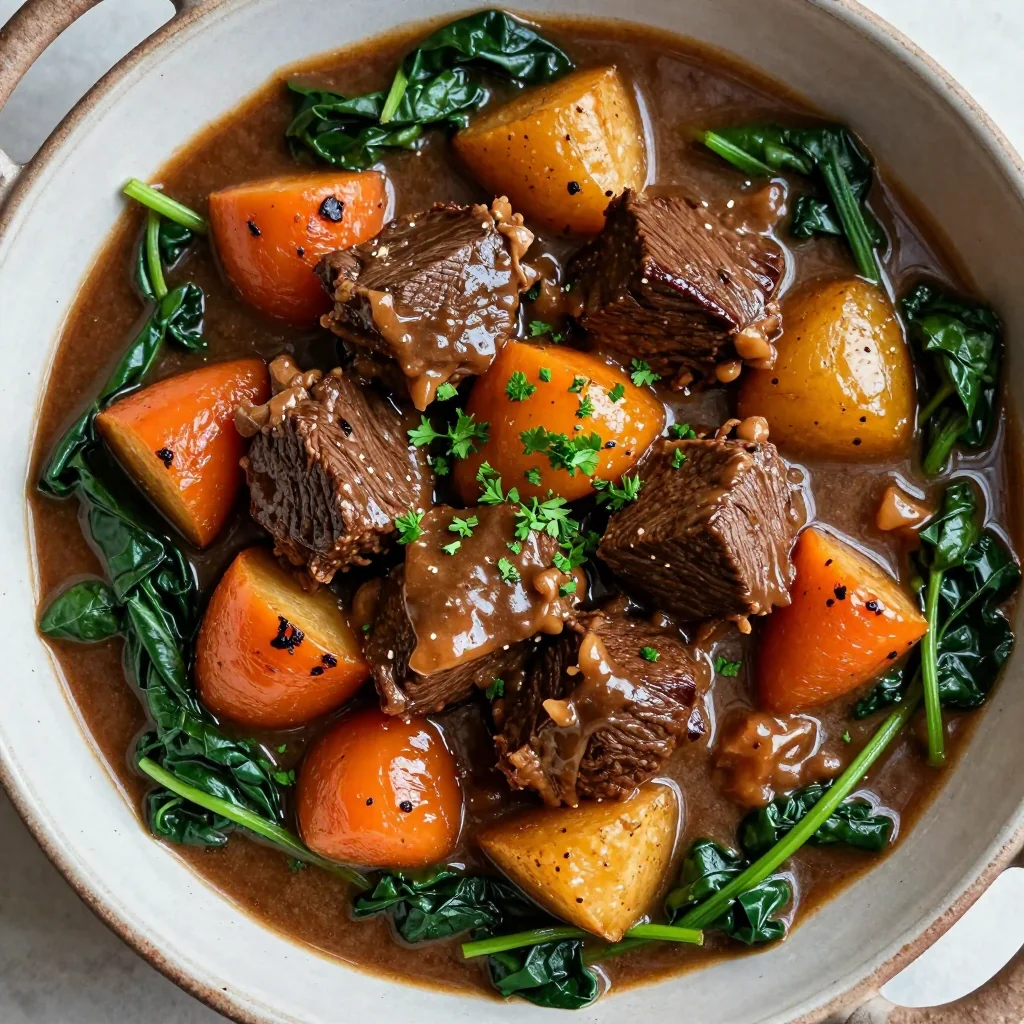
I was standing in my kitchen on a rainy Tuesday, staring at a half‑baked cake that looked like a sad pancake. My roommate had dared me to make something “so buttery it would melt the spoon,” and I thought, why not turn a classic pound cake into a caramel‑soaked masterpiece? The oven was humming, the butter was soft enough to whisper, and the caramel sauce was bubbling like a tiny lava flow. I could already smell the sweet, nutty perfume curling around the copper pots, and my mind was racing with images of golden slices glistening under a drizzle of glossy glaze. I’ll be honest — I ate half the batch before anyone else got a chance to try it, but that’s a story for later.
Imagine the first bite: the crumb is dense enough to hold its own, yet tender enough to melt on your tongue, while the caramel glaze clings like a buttery satin sheet. The flavor hits you with a buttery richness that’s balanced by a deep, buttery‑to‑toffee caramel that sings with a hint of sea‑salt sparkle. It’s the kind of dessert that makes the whole house feel like a bakery at 5 p.m., the way fresh‑baked bread makes you think of grandma’s kitchen. Most pound cake recipes get the texture wrong—either they’re dry as a desert or soggy like a sponge cake—but this version hits the sweet spot, thanks to a secret technique I’ll reveal shortly.
What sets this recipe apart isn’t just the caramel; it’s the way the butter, sugar, and eggs are coaxed into a silky batter that refuses to collapse under the weight of the glaze. I dare you to taste this and not go back for seconds, because the caramel glaze is a game‑changer that turns a simple cake into a decadent showstopper. Picture yourself pulling this out of the oven, the whole kitchen smelling incredible, the caramel bubbling just enough to give you that satisfying “sizzle when it hits the pan” moment. And if you’ve ever struggled with a flat, flavorless pound cake, you’re not alone — I’ve been there, and I’ve finally cracked the code.
Okay, ready for the game‑changer? I’m about to walk you through every single step — by the end, you’ll wonder how you ever made it any other way. I’ll share the exact ingredient ratios, the temperature tricks that keep the crumb light, and a few kitchen hacks that will make you look like a pro even if you’re a novice. Stay with me here — this is worth it, and the payoff is a cake that will have friends begging for the recipe while you sit back, smugly sipping coffee, and watching the caramel glaze set like a glossy mirror on top of a buttery cloud.
What Makes This Version Stand Out
- Taste: The caramel glaze adds a buttery‑toffee depth that turns a simple pound cake into a dessert worthy of a five‑star patisserie.
- Texture: A dense yet tender crumb that holds the glaze without becoming soggy, thanks to a precise butter‑to‑flour ratio.
- Simplicity: Fewer than ten pantry staples, and you don’t need any fancy equipment—just a mixer, a pan, and a whisk.
- Uniqueness: The caramel glaze is infused with a pinch of sea salt, creating that magical sweet‑salty contrast most recipes miss.
- Crowd Reaction: Guests often claim it’s “the best cake they’ve ever had,” and the half‑eaten plate is proof.
- Ingredient Quality: Using real butter (not margarine) and a high‑quality caramel sauce makes all the difference.
- Cooking Method: The “cream‑butter‑sugar” technique locks in air, giving the cake a light lift despite its richness.
- Make‑Ahead Potential: The cake stores beautifully; reheat with a splash of water and the glaze revives itself.
Inside the Ingredient List
The Flavor Base
All‑purpose flour is the backbone of any pound cake, providing structure while still allowing the butter to shine. I use a full cup of flour for every two cups of butter, which is a slightly lower ratio than traditional recipes, giving the crumb a buttery melt‑in‑your‑mouth feel. If you swap in cake flour, you’ll get an even softer texture, but be careful not to over‑mix or the gluten will develop too much.
The Texture Crew
Unsalted butter, softened to room temperature, is the star of the show. It creates that rich mouthfeel and helps the sugar dissolve into a glossy, caramel‑colored batter. The eggs, beaten in one at a time, act as emulsifiers, binding the fat and liquid together. Adding a splash of whole milk keeps the batter moist without making it watery.
The Unexpected Star
Caramel sauce isn’t just a topping; it’s folded into the batter for pockets of gooey surprise. A good quality caramel brings deep, buttery notes and a natural sweetness that reduces the need for extra sugar. If you’re feeling adventurous, a tablespoon of dark brown sugar in the glaze adds a subtle molasses undertone.
The Final Flourish
A pinch of sea salt in the glaze amplifies the caramel’s flavor, while vanilla extract adds a fragrant backdrop that ties everything together. Baking powder is kept to a minimum—just enough to give the cake a gentle rise without compromising its classic dense character. Finally, a drizzle of heavy cream in the glaze ensures a silky finish that sets with a glossy sheen.
Everything's prepped? Good. Let’s get into the real action...
The Method — Step by Step
Preheat your oven to 350°F (175°C) and butter a 9‑inch bundt pan, then dust it lightly with flour. This double‑coating prevents the cake from sticking and creates a subtle crust that the caramel glaze will cling to. While the oven warms, line a baking sheet with parchment—this will be the stage for the caramel glaze later.
In a large bowl, cream together 1 cup (2 sticks) of unsalted butter with 1½ cups of granulated sugar until the mixture is pale, fluffy, and smells faintly of caramel. This step is pure magic; the air you incorporate now will keep the crumb from becoming too dense. Power transition: Okay, ready for the game‑changer? Add the eggs one at a time, beating well after each addition to maintain that airy texture.
Kitchen Hack: Add a tablespoon of warm water with each egg; it helps the mixture stay smooth and prevents curdling.Sift together 2 cups of all‑purpose flour, 1 tsp baking powder, and ½ tsp salt into a separate bowl. Sifting not only removes lumps but also aerates the flour, which contributes to a lighter crumb. Gently fold the dry ingredients into the butter‑sugar‑egg mixture using a spatula, alternating with ½ cup of whole milk. The batter should look glossy and just barely thick enough to hold its shape.
Watch Out: This is the trickiest step—over‑mixing will develop gluten and turn your cake rubbery. Stop mixing as soon as you no longer see streaks of flour. The batter will look a little lumpy, and that’s exactly what you want. If you see a glossy, smooth surface, you’ve mixed too long.
Fold in 1 cup of caramel sauce, reserving a couple of tablespoons for the glaze later. The caramel will create little pockets that melt into buttery ribbons as the cake bakes. Scrape the batter into the prepared bundt pan, smoothing the top with a spatula. Tap the pan gently on the counter three times to release any large air bubbles.
Kitchen Hack: Warm the caramel slightly before folding; it spreads more evenly and prevents clumps.Bake for 30‑35 minutes, or until a toothpick inserted into the center comes out clean and the edges start pulling away from the pan. The top should be a deep golden‑brown, and you’ll hear a faint crackle as the caramel caramelizes further. Resist the urge to open the oven door early; the heat loss can cause the cake to sink.
While the cake cools in the pan for 10 minutes, prepare the glaze: combine the remaining caramel sauce, ¼ cup heavy cream, ¼ cup brown sugar, and a pinch of sea salt in a saucepan over medium‑low heat. Stir constantly until the mixture is smooth and glossy—this should take about 3‑4 minutes. The glaze will thicken as it cools, so keep it moving.
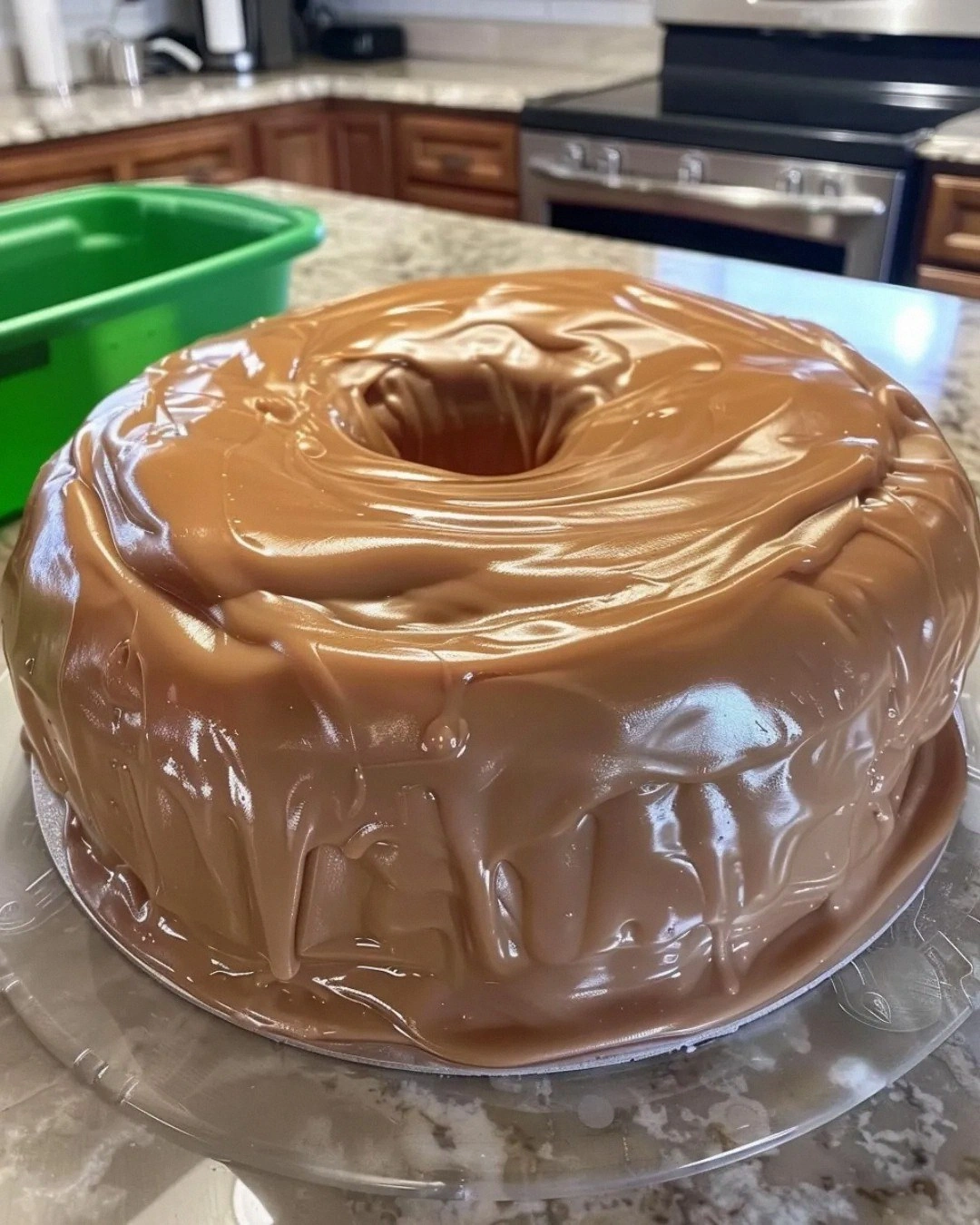
Invert the cake onto a serving platter; the caramel will cascade down the sides, forming a glossy river. Immediately drizzle the warm glaze over the top, letting it pool and then soak into the crumb. Let the cake sit for another 5 minutes so the glaze sets slightly—this creates that “glazed donut” look without being too sticky.
Slice with a serrated knife, serve warm or at room temperature, and watch as the caramel glistens like liquid amber. That sizzle when it hits the pan? Absolute perfection. And now the fun part—taste testing! I dare you to try a slice without a second helping; I bet you’ll fail.
That's it — you did it. But hold on, I've got a few more tricks that'll take this to another level...
Insider Tricks for Flawless Results
The Temperature Rule Nobody Follows
Never start with cold butter straight from the fridge. Let it sit at room temperature for exactly 20‑30 minutes; this is the sweet spot where the butter is soft enough to cream but still holds its fat structure. If the butter is too soft, it will separate and your cake will be greasy. I once tried using melted butter and ended up with a cake that resembled a dense brownie—yikes.
Why Your Nose Knows Best
When creaming butter and sugar, trust the scent. The mixture should smell faintly caramelized, not just sweet. If you don’t get that toasty aroma after 5‑7 minutes of beating, keep going; the sugar isn’t fully dissolved yet. This aromatic cue is the secret indicator that the batter will produce a tender crumb.
The 5‑Minute Rest That Changes Everything
After you fold in the dry ingredients, let the batter rest for 5 minutes before adding the caramel. This short pause allows the flour to hydrate fully, preventing a gummy texture. I’ve seen bakers skip this and end up with a cake that feels “wet” in the middle. Trust me, those five minutes are worth the patience.
Glaze Timing Mastery
The glaze should be applied while the cake is still warm but not piping hot. If the glaze is too hot, it will run off the sides and pool at the bottom; if it’s too cool, it will set too quickly and form a crust. Aim for a temperature of about 140°F (60°C)—you can test with a kitchen thermometer or simply feel with the back of your hand.
The Final Dust
A light dusting of flaky sea salt on top of the glaze adds a subtle crunch and heightens the sweet‑salty contrast. It’s the same trick pastry chefs use on caramel desserts to balance flavors. Don’t overdo it—just a pinch will do.
Creative Twists and Variations
This recipe is a playground. Here are some of my favorite ways to switch things up:
Espresso Caramel Fusion
Add 1 tablespoon of instant espresso powder to the batter for a subtle coffee undertone that pairs beautifully with the caramel. The bitterness cuts through the sweetness, making it perfect for brunch.
Nutty Crunch
Fold in ½ cup of toasted pecans or walnuts just before baking. The nuts add texture and a buttery flavor that echoes the cake’s richness.
Apple‑Cinnamon Swirl
Sauté diced apples with a pinch of cinnamon, then swirl them into the batter after adding the caramel. This creates a comforting, autumn‑inspired version that’s perfect for cooler evenings.
Chocolate Caramel Dream
Replace half of the caramel sauce with a dark chocolate ganache. The result is a decadent chocolate‑caramel hybrid that will satisfy even the most serious chocoholics.
Citrus Zest Lift
Stir in the zest of one orange or lemon into the batter for a bright, aromatic twist that cuts through the richness and adds a fresh finish.
Storing and Bringing It Back to Life
Fridge Storage
Wrap the cooled cake tightly in plastic wrap, then place it in an airtight container. It will stay fresh for up to 4 days. The caramel glaze may thicken; simply warm a slice in the microwave for 15 seconds to revive the sheen.
Freezer Friendly
Slice the cake, wrap each piece individually in parchment, then foil, and store in a freezer bag. It freezes beautifully for up to 2 months. When ready to serve, let it thaw in the fridge overnight and finish with a quick glaze drizzle.
Best Reheating Method
Preheat the oven to 300°F (150°C), place the whole cake on a baking sheet, and add a splash of water (about 2 Tbsp) to the pan. Cover loosely with foil and heat for 10‑12 minutes. The steam revives the crumb while the glaze re‑glosses itself, making it taste as fresh as day one.